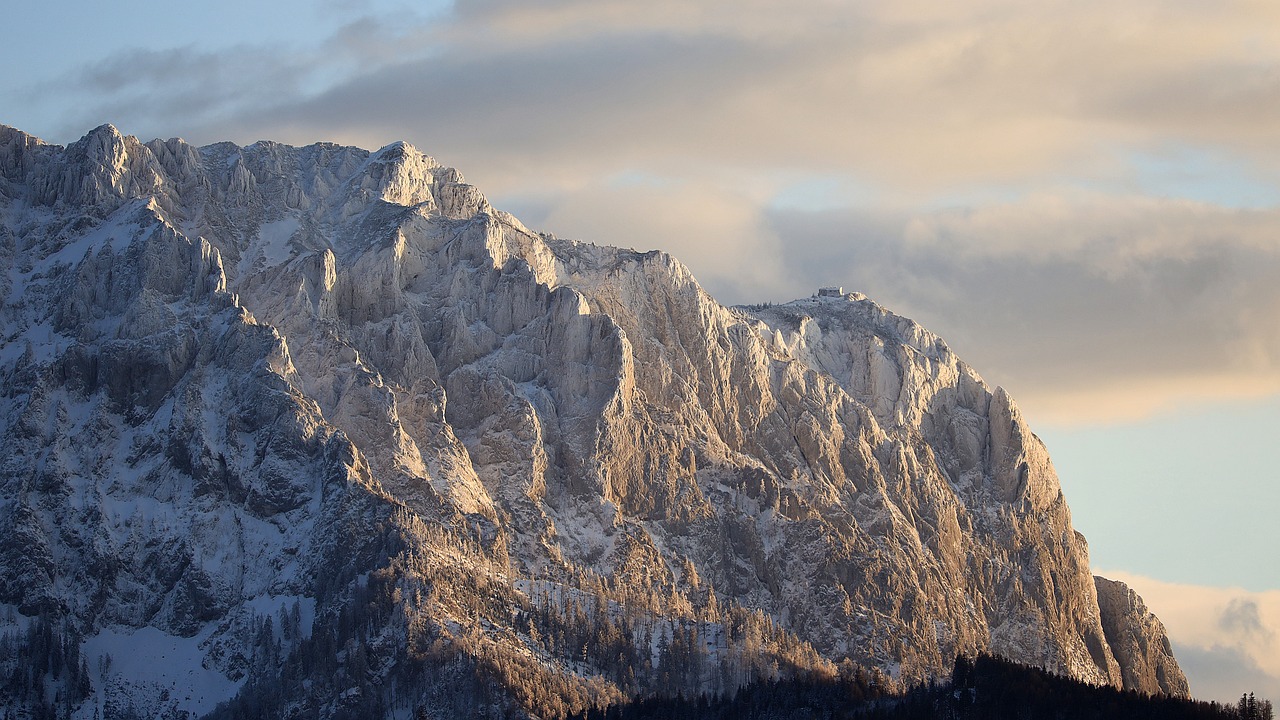
Tignes in November: Testing the Oakley Line Miner Goggles for a Full Week
Early season glacier skiing in Tignes and a full week testing the Oakley Line Miner goggles. Honest verdict on whether November is worth booking.
November ski trips divide people. Half the skiing world dismisses early season as a compromise: variable snow, reduced lifts, a resort that isn’t fully open yet. The other half treats it as the best-kept secret in the sport: reliable glacier snow, minimal queues, lower prices, and the whole mountain more or less to yourself.
I went to Tignes in November 2025 with a specific aim: spend a full week skiing the Grande Motte glacier and test the Oakley Line Miner goggles in as many different conditions as I could find. Six nights, travelling alone, which I don’t do often but which has a particular kind of focus to it.
Here’s the honest version of what I found.
Getting there
Birmingham to Chambéry with Jet2. Chambéry is the right airport for Tignes: the transfer is around 90 minutes to Tignes Val Claret, compared with 2+ hours from Geneva. November schedules are reduced compared to peak season, so check what’s actually running before you book accommodation. The frequency drops and not all operators maintain the Chambéry route into November.
Transfer booked with an independent operator. About £50 each way. The coach runs on a fixed schedule. You fit around it, not the other way around.
Tignes in November: the honest picture
Tignes runs from late October through to early May. The reason is the Grande Motte glacier, which sits at 3,456m and provides reliable snow from the start of the season until the end. Below the glacier, the season depends on natural snowfall. In November 2025, there had been a reasonable early dump in mid-October followed by a dry spell: the glacier was excellent, the lower runs were variable.
What was open: The Grande Motte cable car (the main glacier access), the Grattalu and Génépy drags at altitude, a handful of runs down to Val Claret. The runs connecting Tignes to Val d’Isère (the full Espace Killy link) were partially open, with some closures below 2,400m.
What wasn’t open: Most of the lower mountain. Several of the Tignes le Lac runs. Anything below about 2,200m was patchy at best. One day the descent back to Val Claret was closed entirely and the cable car ran as a descent service.
The resort itself: About 40% operational, which is fine if you understand it going in. Roughly half the restaurants were open. The main ski hire shops were operating. The supermarket in Val Claret was running normal hours. The après bars were quiet, with two or three places open rather than the full season operation. If you’re going for nightlife, November isn’t the month.
What it does offer is this: on the glacier, with cold temperatures and good snow, you can ski six hours a day without seeing a queue. On the best days I was first on the Grande Motte cable car at 8:30am and last off at 3:30pm, with maybe 200 other skiers on a mountain built for thousands. That is not nothing.
The Oakley Line Miner goggles
I’d bought these at the end of the previous season (Prizm Snow Hi Pink lens, medium frame) and wanted a proper extended test before recommending them. One week on a real mountain in variable conditions is the only test that actually tells you anything.
The lens. The Prizm Snow Hi Pink is described as an all-conditions lens, designed for variable and flat light rather than bright sunshine. In November at altitude, this was exactly the right choice. Most mornings at 8am, the light is flat and blue. The Prizm Hi Pink enhances contrast on the snow surface so you see the texture of the run rather than a uniform white blur, which matters a lot when you’re trying to read the pitch ahead of you. On the two bright sunny days, it was slightly darker than ideal but entirely functional.
What it doesn’t do is handle the transition well between the dark inside the underground section at the top of the Grande Motte and the bright glacier outside. You go from artificial light to full-altitude sun in about 10 seconds. The lens adapts but it’s not instant. Mild irritation, not a problem.
The frame and fit. This is the strongest aspect of the Line Miner. The frame is designed with a wide, low profile, cutting down on the frame you can see at the bottom of your vision, which on other goggles I’ve always found distracting when looking for the fall line. The peripheral vision on the sides is genuinely better than most goggles I’ve used.
The fit depends on your helmet. I use a Giro helmet with a medium oval head shape, and the Line Miner sits flush with no gap. On one afternoon when I borrowed a different helmet, there was a small gap at the bridge, which is the standard goggle-helmet compatibility issue and worth checking before you buy.
The foam. Oakley uses triple-layer face foam with a fleece lining. Comfortable for a full day. No pressure points that I found. My nose bridge gets cold easily and the foam coverage on the Line Miner is good around that area.
The one actual problem. On day three, a cold morning (-14°C at the top, calm wind), I got condensation on the inside of the lens for about 20 minutes mid-morning. I’d been breathing inside my buff for warmth and the moisture had tracked up into the goggles. The anti-fog coating cleared it eventually but it was a 20-minute period of reduced visibility that I wouldn’t want on a difficult run.
This isn’t unique to the Line Miner: it happens to most goggles in cold and damp conditions when you’re breathing into your neck gaiter. The fix is to pull the buff down before the moisture builds rather than after. I knew this and didn’t do it. Not the goggle’s fault.
Overall verdict: Very good. The wide field of view is genuinely better than competitors at the same price point (around £100-145 depending on retailer and colourway). The Prizm Hi Pink lens is the right choice for mixed and flat-light conditions, which is what you’ll encounter most often in the Alps. Recommended.
The skiing
With the glacier reliably in condition, I spent four of the six skiing days focused on the Grande Motte runs. The Leisse run from the top of the glacier at 3,456m back down to Tignes le Lac is a proper long descent: fast, wide at the top, narrowing through a technical section in the middle, and finishing on a long runout above the village. I did it seven times over the week and found something different in it each time.
The two days I spent in the lower mountain were on the connected runs with Val d’Isère via the Col de Fresse. Val d’Isère had marginally better lower-mountain snow than Tignes, with pistes that felt better maintained. The Solaise sector above Val d’Isère was excellent, and I spent most of both days there rather than returning to the glacier.
What I’d avoid in November: Anything below 2,200m unless there’s been a fresh snowfall in the preceding week. The lower runs in early season are frequently hard-packed or icy and the risk/reward ratio for a fall isn’t great.
Was November worth it?
Yes, with a specific caveat: go for the glacier and accept the limited lower mountain. If your priority is the widest possible choice of terrain, go in January or February. If your priority is skiing good-quality snow on a quiet mountain at a lower price, November at Tignes is a rational choice.
Prices in November were about 25% less than peak January rates for the same apartment. Lift passes were marginally cheaper. Transfers were slightly more awkward due to reduced coach schedules. Net result: the same skiing for meaningfully less money if you’re flexible about what “the same skiing” means.
I’d go back in November. The Line Miners have been my goggles of choice since.